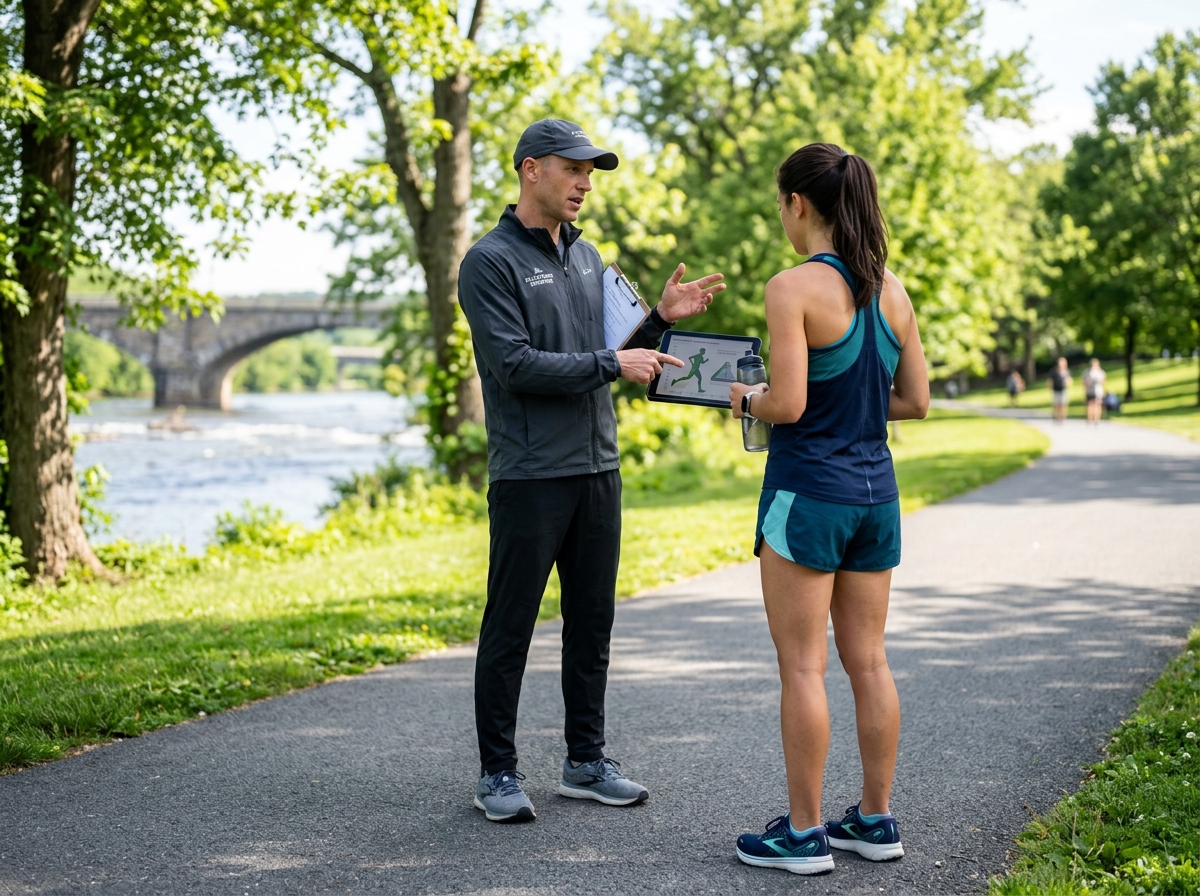
How To Choose The Right Running Coaching Provider In Allentown
Finding the right running coach can transform your training, prevent injuries, and help you achieve goals you thought were out of reach. Whether you're training for your first 5K or preparing for a marathon, the coaching relationship matters deeply. In Allentown, you have options, but not all Running coaching providers are created equal. This guide walks you through the key factors that separate exceptional coaches from those who might waste your time and money.
Understanding What Running coaching Actually Involves
Before evaluating specific providers, understand what professional Running coaching includes. A legitimate running coach does more than hand you a workout schedule. They assess your current fitness level, discuss your goals and timeline, consider your injury history, and create a personalized plan that evolves based on your progress. They monitor your effort levels, adjust workouts based on how you're feeling, and provide feedback on form and pacing strategy. This is fundamentally different from downloading a generic training app.
Quality Running coaching in Allentown should incorporate elements of strength and conditioning coaching to address weaknesses that cause injuries, and potentially nutrition coaching to support your training demands. Coaches who understand the whole picture of your fitness produce better results.
Red Flags to Watch For in Running Coaches
Certain warning signs suggest a running coach won't serve you well. If a coach provides the same training plan to every client regardless of fitness level or goals, that's a red flag. Your individual circumstances matter enormously.
Watch out for coaches who focus exclusively on high-mileage training without emphasizing injury prevention. Many runners get injured not because they work hard, but because they lack strength, mobility, or proper recovery strategies. A coach who dismisses questions about cross-training or strength work is missing critical components.
Be skeptical of coaches who pressure you into expensive long-term commitments upfront or who are difficult to reach between sessions. Communication and flexibility matter. If a coach doesn't ask detailed questions about your medical history, previous injuries, or current lifestyle stressors, they're not gathering essential information.
Another red flag: coaches who guarantee specific race times or results. Running performance depends on many variables outside any coach's control, including genetics, weather, and life circumstances. Realistic coaches discuss probabilities and possibilities, not guarantees.
Certifications and Credentials That Matter
Not all certifications carry equal weight. Look for running coaches certified by recognized organizations like USA Track and Field (USATF), the Road Runners Club of America (RRCA), or the American College of Sports Medicine (ACSM). These organizations require coaches to demonstrate knowledge through rigorous testing and continuing education.
Coaching certifications from Personal training organizations matter too. If your running coach also holds certifications from the National Academy of Sports Medicine (NASM) or the International Sports Sciences Association (ISSA), they likely understand broader fitness principles that enhance running performance.
However, don't assume certifications are everything. Some excellent coaches are self-educated through years of experience, but they should still demonstrate current knowledge and stay updated on sports science research. Ask about continuing education and how coaches stay current.
In Allentown, providers like Tim Carrigan Personal training LLC combine running-specific expertise with comprehensive personal training credentials that show broader understanding of fitness principles. This matters because running performance connects to overall strength, mobility, and training methodology.
Essential Questions to Ask Potential Coaches
Before committing to a running coach, ask these questions:
"How do you assess a new client's fitness level and running background?" A good coach uses initial consultations to gather data, not to immediately sell you on their approach.
"How do you prevent injuries?" Listen for answers about strength training, mobility work, recovery emphasis, and load management.
"How will you adjust my training if I get injured or if life circumstances change?" Flexibility and responsiveness matter.
"What is your philosophy on mileage progression and cross-training?" Quality coaches have thoughtful approaches grounded in sports science.
"Can you provide references from current or past clients?" Speaking with other runners they've coached offers valuable perspective.
"How do you handle communication between sessions?" Understand whether they're responsive to questions and how they provide feedback on your workouts.
"What is your pricing structure?" Legitimate coaches are transparent about costs and payment options.
What Separates Exceptional Running Coaches
The best running coaches in Allentown share common characteristics. They listen more than they talk in initial consultations. They ask about your lifestyle, work stress, sleep quality, and family commitments because these factors affect training capacity.
Exceptional coaches build periodized training plans with clear phases: base building, strength development, speed work, and recovery. They don't just string together random workouts. They understand that training stress accumulates and that recovery is where adaptation happens.
These coaches monitor not just your running but your overall wellness. They notice when you're overstressed, under-recovered, or dealing with persistent soreness. They adjust accordingly rather than rigidly following a predetermined plan.
They also view running within the context of total fitness. That's why providers offering strength and conditioning coaching alongside Running coaching often produce superior results. Runners who build strength get faster, stay healthier, and feel more confident.
Pricing Considerations for Running coaching
Running coaching pricing varies based on several factors. Group coaching costs less than individual coaching but provides less customization. Virtual coaching typically costs less than in-person sessions but offers fewer opportunities for form assessment.
Expect to pay $50 to $150 per month for basic group coaching or app-based plans. Individual virtual coaching typically ranges from $100 to $300 per month depending on contact frequency and coach experience. In-person coaching with a coach in Allentown generally costs $75 to $200 per session or $200 to $600 per month for ongoing relationships.
Be wary of extremely low prices, which often indicate limited experience or minimal personalization. Conversely, premium pricing doesn't guarantee better results. The best value comes from coaches who understand your specific situation and deliver customized guidance at reasonable rates.
Many providers offer package options or hybrid models combining group and individual sessions. This can provide flexibility and cost-effectiveness.
Making Your Final Decision
After gathering information, trust your instincts about rapport and communication style. You'll work closely with this person, so mutual respect and clear communication matter. Schedule a consultation with your top choice and see how they interact with you.
Ask how they would approach your specific goals and timeline. Listen to whether their answer reflects genuine understanding of your situation or generic advice. A coach who takes time to understand you before offering solutions is likely worth working with.
Choosing a Running coaching provider in Allentown requires careful evaluation of credentials, communication style, approach to injury prevention, and overall philosophy. Red flags like generic programming, guaranteed results, and poor communication should eliminate providers from consideration. The best coaches combine relevant certifications with personalized attention, comprehensive fitness understanding, and genuine investment in your success. When you find a coach who listens, asks tough questions, emphasizes injury prevention, and demonstrates expertise through their approach, you've found someone worth your time and investment. Take the time to evaluate your options thoroughly, because the right running coach can make the difference between sporadic training and sustained, injury-free progress toward your goals.