How to Choose a Strength and Conditioning Coach in Allentown, PA
Selecting a strength and conditioning coach is one of the most important decisions you'll make for your fitness journey. The right coach can transform your performance, prevent injuries, and help you achieve goals you thought were impossible. The wrong one can waste your time, money, and potentially harm your progress. In Allentown, you have options when it comes to Strength and conditioning coaching. But not all coaches are created equal. This guide walks you through the essential criteria for evaluating providers, red flags to watch for, and the questions you should ask before committing to a coaching relationship.
Understanding What Strength and conditioning coaching Actually Is
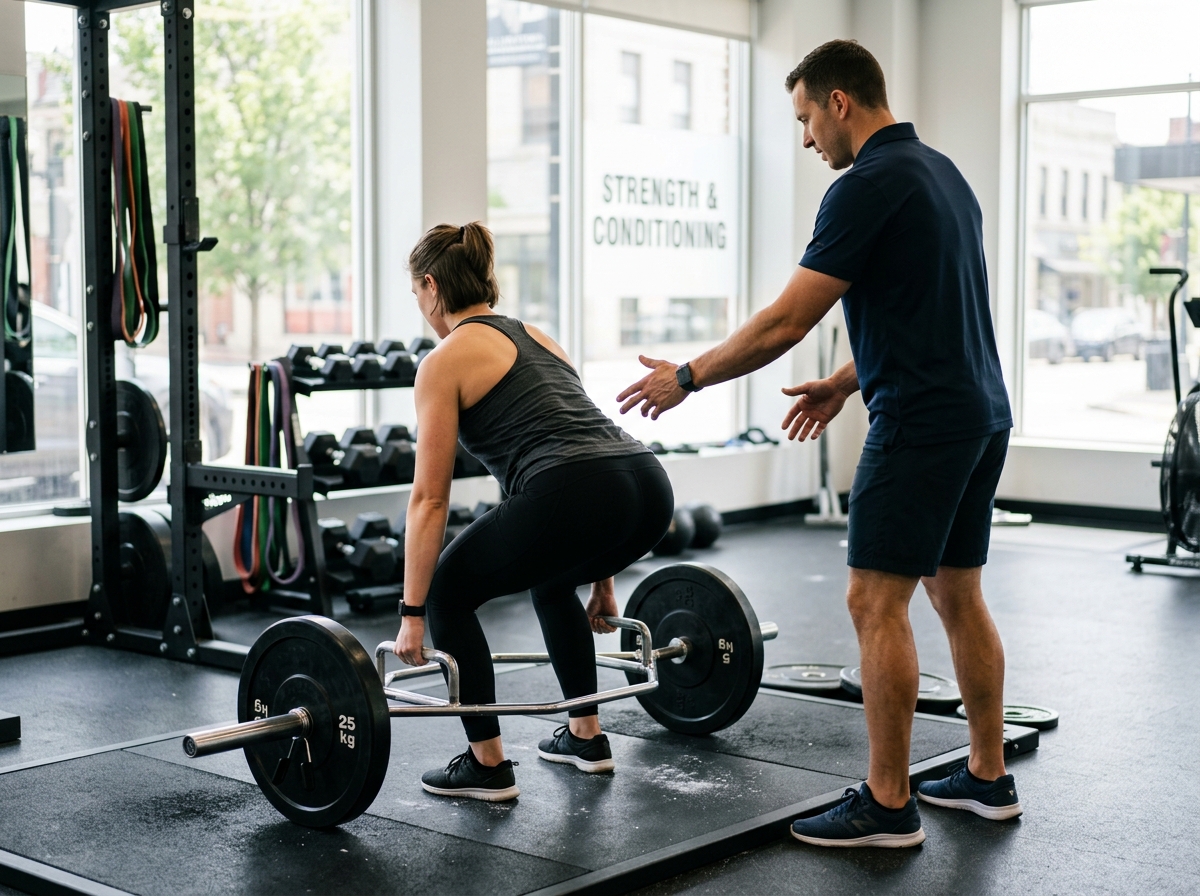
Before you start evaluating coaches, it helps to understand what legitimate Strength and conditioning coaching involves. It's not just about showing you exercises or counting reps. Real Strength and conditioning coaching includes movement assessment, program design tailored to your specific goals and limitations, progressive overload principles, and ongoing adjustment based on your results and feedback.
Quality coaches in Allentown take time to understand your training history, current fitness level, any injuries or limitations, and your specific performance goals. They design programs that build strength systematically, improve movement quality, and reduce injury risk. They also educate you on why certain exercises matter and how to maintain progress long-term.
Red Flags to Avoid in Allentown Strength Coaches
Certain warning signs should immediately make you skeptical of a coaching provider. If a coach offers a generic program without assessing your individual needs, that's a problem. Everyone's body is different. A coach who hands you the same routine they give everyone else isn't providing personalized service.
Beware of coaches who make outlandish promises. If someone guarantees results, claims they have a "secret method," or promises dramatic transformations in unrealistic timeframes, they're overselling. Real strength development takes time and consistent effort.
Another red flag is lack of communication. If your coach doesn't check in on how you're feeling, doesn't answer questions about your program, or seems disengaged, you're not getting the attention you deserve. Coaching is a partnership, and your coach should be invested in your success.
Finally, avoid coaches without legitimate credentials. While experience matters, proper certifications indicate that a coach has studied exercise science, biomechanics, and program design through rigorous standards. We'll cover which certifications matter in the next section.
Certifications and Qualifications That Matter
When evaluating a strength and conditioning coach in Allentown, look for recognized certifications from organizations like the National Strength and Conditioning Association (NSCA), the International Sports Sciences Association (ISSA), or the American Council on Exercise (ACE). These certifications require passing exams that test knowledge of exercise physiology, biomechanics, and program design.
Beyond basic Personal training certification, some coaches pursue additional credentials in specialized areas. For example, certifications in sports nutrition, corrective exercise, or specific populations (like youth athletes or older adults) show that a coach is committed to ongoing education.
Don't just ask about certifications, though. Ask how recently they renewed them and whether they participate in continuing education. The fitness industry evolves, and coaches who stay current understand the latest research and best practices.
Experience also matters. A coach who has worked with clients similar to you, whether that's endurance athletes, strength athletes, or people returning from injury, brings valuable practical knowledge. Ask about their track record and request references or testimonials from past clients.
Questions to Ask Before Hiring a Strength Coach
Start by asking about their assessment process. How do they evaluate new clients? Do they perform movement screenings? Do they ask about your training history and goals? A thorough initial assessment tells you that a coach takes individualization seriously.
Ask about program design. How often do they adjust your program? How do they track progress? Do they use specific metrics or just go by feel? Coaches who measure progress objectively and make data-driven adjustments deliver better results.
Inquire about their philosophy on injury prevention. How do they modify exercises for clients with limitations? Do they work with physical therapists or other healthcare providers when needed? A coach who prioritizes injury prevention understands that longevity matters more than short-term gains.
Ask about communication and accountability. How often will you check in? Will they review your form on exercises? Can you reach out with questions? How quickly do they respond? These details affect the quality of coaching you receive.
Finally, ask about pricing and program options. What does their coaching include? Are there different tiers of service? What's their cancellation policy? Understanding the full structure prevents surprises later.
What Separates Good Strength Coaches from Average Ones
The best strength and conditioning coaches in Allentown share certain characteristics. They invest time in understanding each client as an individual. They don't rush the assessment phase. They listen more than they talk during initial consultations.
Good coaches stay organized and track data. They maintain detailed records of your workouts, progress, and adjustments. This allows them to make informed decisions about your programming rather than guessing.
They're educators. They explain why you're doing certain exercises, how they fit into your overall program, and what to expect. Clients who understand their training stay more committed and make better independent decisions.
Quality coaches adapt when needed. They recognize when a program isn't working and adjust it. They respond to feedback and don't get defensive if something isn't resonating with you.
Excellent coaches also connect you to other services when appropriate. If your strength training would benefit from nutrition coaching or complementary services like running coaching, a good coach will recommend these options. This shows they care about your overall success, not just collecting your monthly fee.
Pricing Considerations for Strength and conditioning coaching
Strength and conditioning coaching costs vary widely in Allentown. Some coaches charge per session, others offer package deals, and some use monthly subscriptions. More expensive doesn't always mean better, but unusually cheap services often reflect less experience or lower quality.
Consider what's included in the price. Does it cover program design only, or do you get ongoing adjustments? Are video form checks included? Is there access to a coach via email or messaging? These details affect the actual value you receive.
Many providers offer free initial consultations. Use this to evaluate whether the coach is a good fit before committing financially. This conversation will tell you a lot about their professionalism and approach.
Choosing a strength and conditioning coach in Allentown requires evaluating credentials, asking the right questions, and trusting your instincts about fit. Look for coaches who perform thorough assessments, hold legitimate certifications, communicate regularly, and adjust programs based on your results. Tim Carrigan Personal training LLC brings together all these elements. With proper certifications, a commitment to individualized assessment, and a focus on long-term progress and injury prevention, Tim Carrigan provides the kind of Strength and conditioning coaching that actually works. Whether you're looking to build strength, improve athletic performance, or return to training after an injury, a consultation with a qualified coach can clarify whether this is the right partnership for your goals. The investment in quality coaching pays dividends. You'll progress faster, stay injury-free, and develop a sustainable approach to strength training that lasts for years.